New Archaeological Discoveries at Heracleopolis Magna Shed Light on Egypt’s Religious and Cultural Legacy Across the Ages.




The Egyptian archaeological mission of the Supreme Council of Antiquities at the site of Ihnasya El-Medina in Beni Suef Governorate, led by Dr. Mohamed Ibrahim, Director General of the Beni Suef Antiquities Region, has uncovered a series of significant discoveries that provide new insights into the city’s religious and cultural importance during the Ancient Egyptian, Greek, and Roman periods.
Among the discoveries is a reused stone block bearing a relief inscription of King Senusret III’s name, including both his throne and birth names, alongside another cartouche inscribed with the name of the deity “Osiris-Neref,” one of the principal gods revered in Ihnasya during the Pharaonic and Ptolemaic eras.
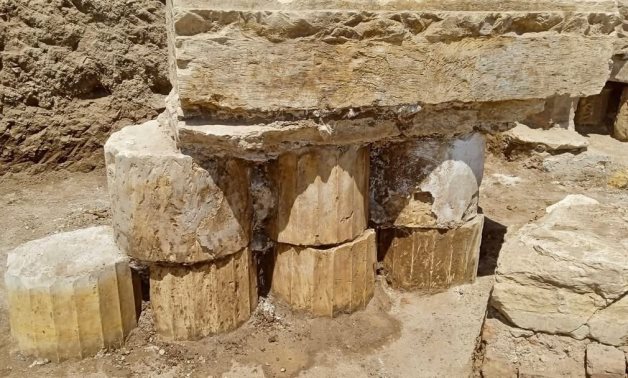
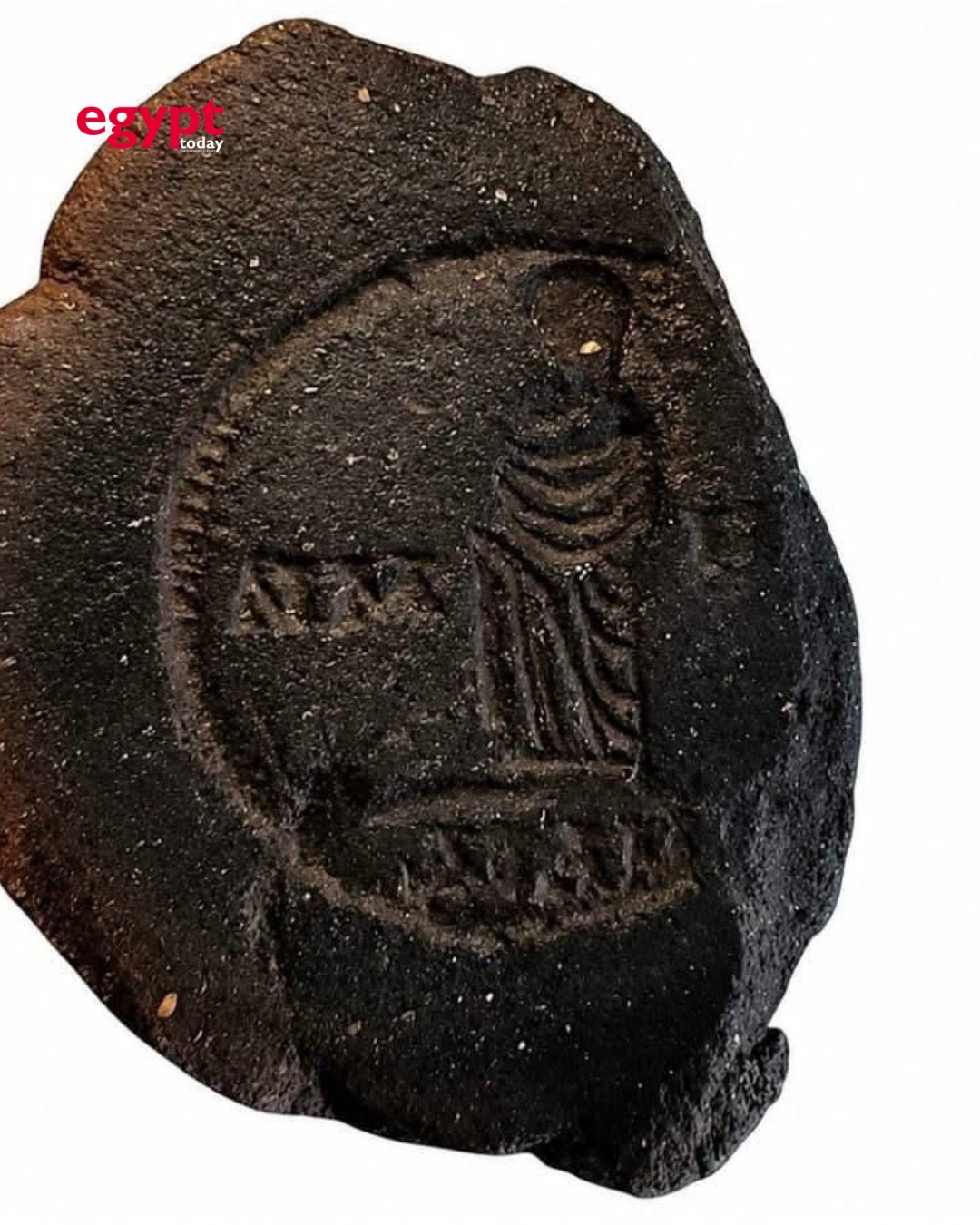
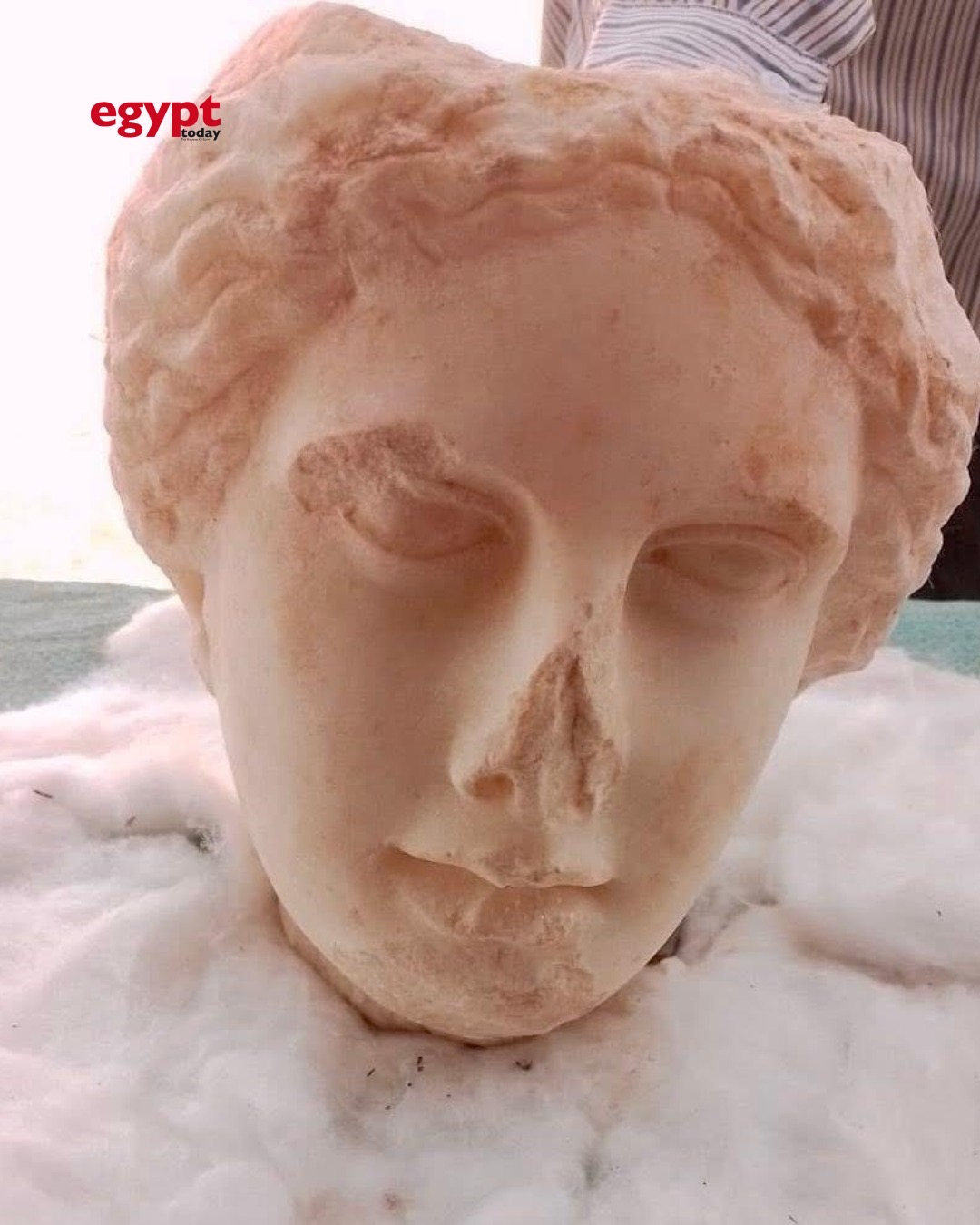
The mission also uncovered extensions of a Roman basilica, remains of an ancient Doric temple, and a rare marble head of Aphrodite, the Greek goddess of love and beauty. Additional finds include fragments of wall statues and clay coin-minting molds dating to the Roman period.
Sherif Fathy, Egypt’s Minister of Tourism and Antiquities, described the discoveries as an important scientific and archaeological addition that highlights the historical significance of Ihnasya El-Medina and reflects the rich cultural diversity Egypt witnessed throughout its long history. He emphasized the ministry’s commitment to developing archaeological sites nationwide and opening new destinations to cultural tourism.
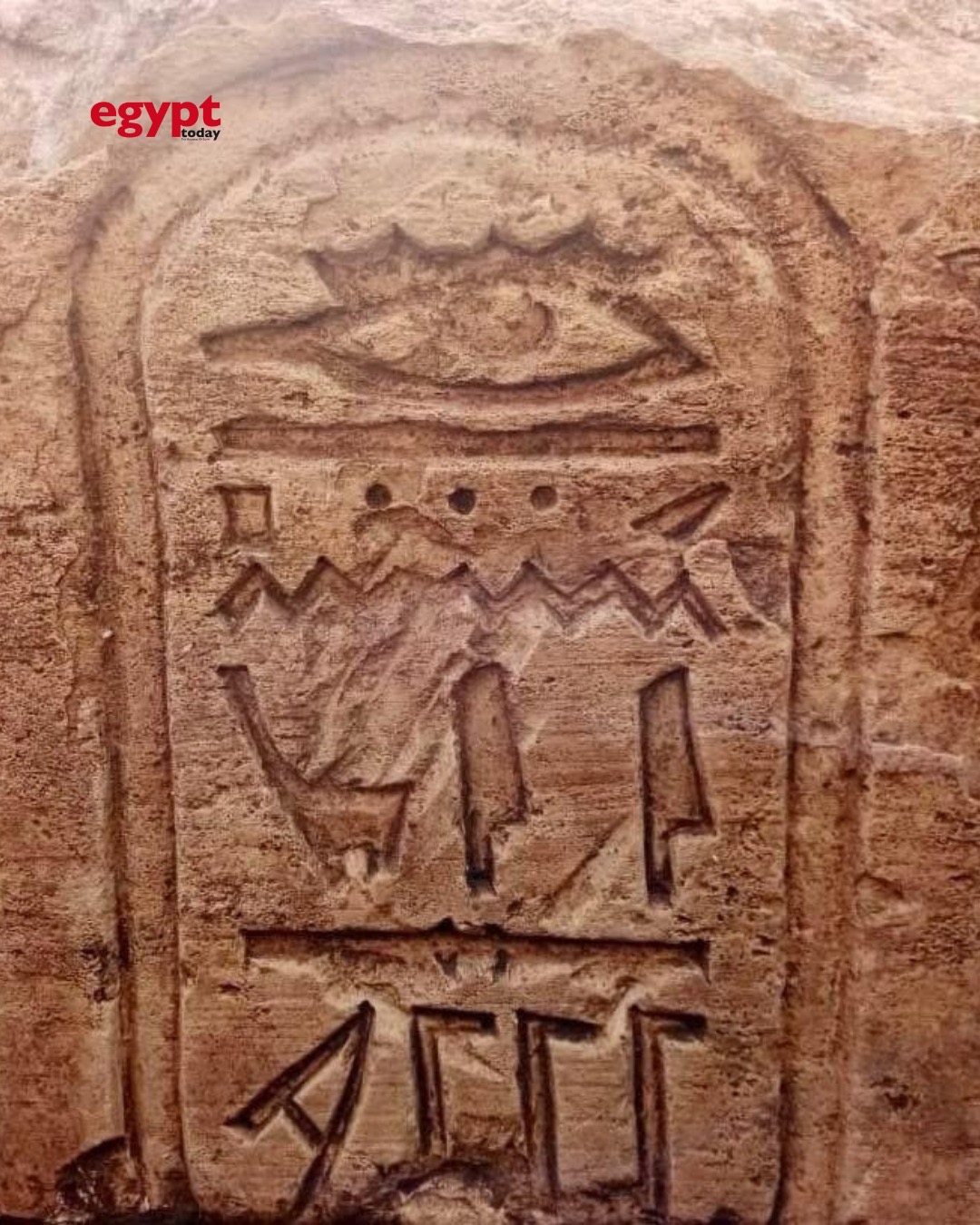
Hisham El-Leithy, Secretary-General of the Supreme Council of Antiquities, noted that the discovery of a cartouche bearing the name of Senusret III is particularly significant, as the king was associated with several important monuments in Ihnasya, underscoring the city’s sacred status in ancient Egypt and the attention it received from Middle Kingdom rulers.
He added that the newly discovered extensions of the Roman basilica offer valuable evidence of the architectural and functional evolution of this building type. In the Greek period, basilicas served as public spaces for meetings and administrative and commercial activities before later being transformed into churches during the early Christian era.
Mohamed Abdel Badi, Head of the Egyptian Antiquities Sector at the Supreme Council of Antiquities, explained that preliminary studies of the Doric temple remains indicate that its architectural elements were reused in the 6th century AD as foundations and flooring to support the basilica’s columns. Builders arranged the stone blocks and architectural fragments into a strong base capable of carrying the immense weight of the columns, some estimated to weigh around 45 tons. Three of these columns still stand in their original positions today.
Regarding the Aphrodite sculpture, Abdel Badi described the marble head, measuring approximately 24 by 25 centimeters, as a rare artistic piece distinguished by its refined craftsmanship and intricate details. The facial features and curly hair reflect the classical artistic style commonly seen in depictions of deities and prominent figures of the period.
Dr. Sami Dardiri, Head of the Central Administration for Middle Egypt Antiquities, stated that the discovered wall-statue fragments and clay coin molds demonstrate the city’s continued prosperity and economic importance during the Roman era. He added that the mission is continuing its scientific study and dating of the finds.
Ihnasya El-Medina is one of Egypt’s most important archaeological sites. It served as the capital of Egypt during the Ninth and Tenth Dynasties and as the capital of the 20th nome of Upper Egypt. The city maintained great importance throughout the Middle Kingdom, New Kingdom, and Third Intermediate Period, and flourished during the Greek and Roman eras when it was known as Heracleopolis Magna, meaning “The Great City of Heracles.”
These discoveries come as part of the Supreme Council of Antiquities’ ongoing efforts to uncover more secrets of ancient Egyptian civilization, advance archaeological and historical research, preserve Egypt’s cultural heritage, and promote it on the global stage.

Be Social




Comments
Leave a Comment